3 Days in Nairobi: Giraffes, Rhinos & A Carnivorous Finale
Nairobi isn't just a stopover on your way to the Mara. It's a safari city that knows how to serve wildlife encounters, cultural experiences, and legendary dining on a silver (or skewered) platter. Whether you're here for rhino-spotting, giraffe kisses, or Kenya's most famous meat feast, this 3-day itinerary delivers it all, ending with a bang at The Carnivore Restaurant.
Day 1 – Gentle Start: Giraffes, Baby Elephants & Relaxation
🐾 Morning : Wildlife Encounters. Giraffe Centre, meet endangered Rothschild's giraffes, feed them pellets, and snap the classic giraffe kiss selfie. Beware their tongues as it would be a French kiss to remember or maybe have nightmares about! David Sheldrick Wildlife Trust – From 11:00 am – 12:00 pm, watch rescued baby elephants mud-bathe and chug giant milk bottles. They also have many other cute orphans here and all are up for "adoption" no take-aways obviously.(Donation: ~$10–25 or a little more for adoptions)
🌸 Afternoon: Choose Your Relaxation (or not). Lunch – Farm-to-Table: Cultiva (Karen): Relaxed garden dining with seasonal, organic dishes ($15–20 pp). Karen Blixen Museum & Coffee Garden: Sip Kenyan coffee or a cocktail under shady acacias ($10–20). The Museum chronicles her "Out of Africa" experiences and is an example of 1914 Dutch Farmhouse. Hemingways Nairobi: Afternoon tea with views of Ngong Hills ($25+pp) or Spa Treatments ($60+) to shake off jet lag. Kazuri Beads Workshop: Quick stop to shop handcrafted jewelry while supporting local artisans. Your private driver can take you to key viewpoints. Oloolua Nature Trail – Or for less hiking this may be a better fit. A tranquil forest trail with waterfalls and caves, just 10 minutes from Karen. A peaceful spot to unwind after a wildlife-packed morning.
🌙 Evening: Ngong Hills Scenic Walk or Sundowner Located just outside Nairobi, Ngong Hills offers rolling green hills and panoramic views over the Great Rift Valley. It's ideal for an easy walk or simply relaxing at a viewpoint with a sundowner drink as you watch the sunset. Try dinner at Talisman: Upscale garden dining with global-fusion flavors (~$25–40 pp) or About Thyme: Cozy, lush setting perfect for a calm first-night meal.
Day 2 – Lake Nakuru Safari: Chasing White Rhinos
Early Start: 6:00 am departure with a private 4×4 driver-guide for comfort and safety on rugged roads (~$160–200/day).
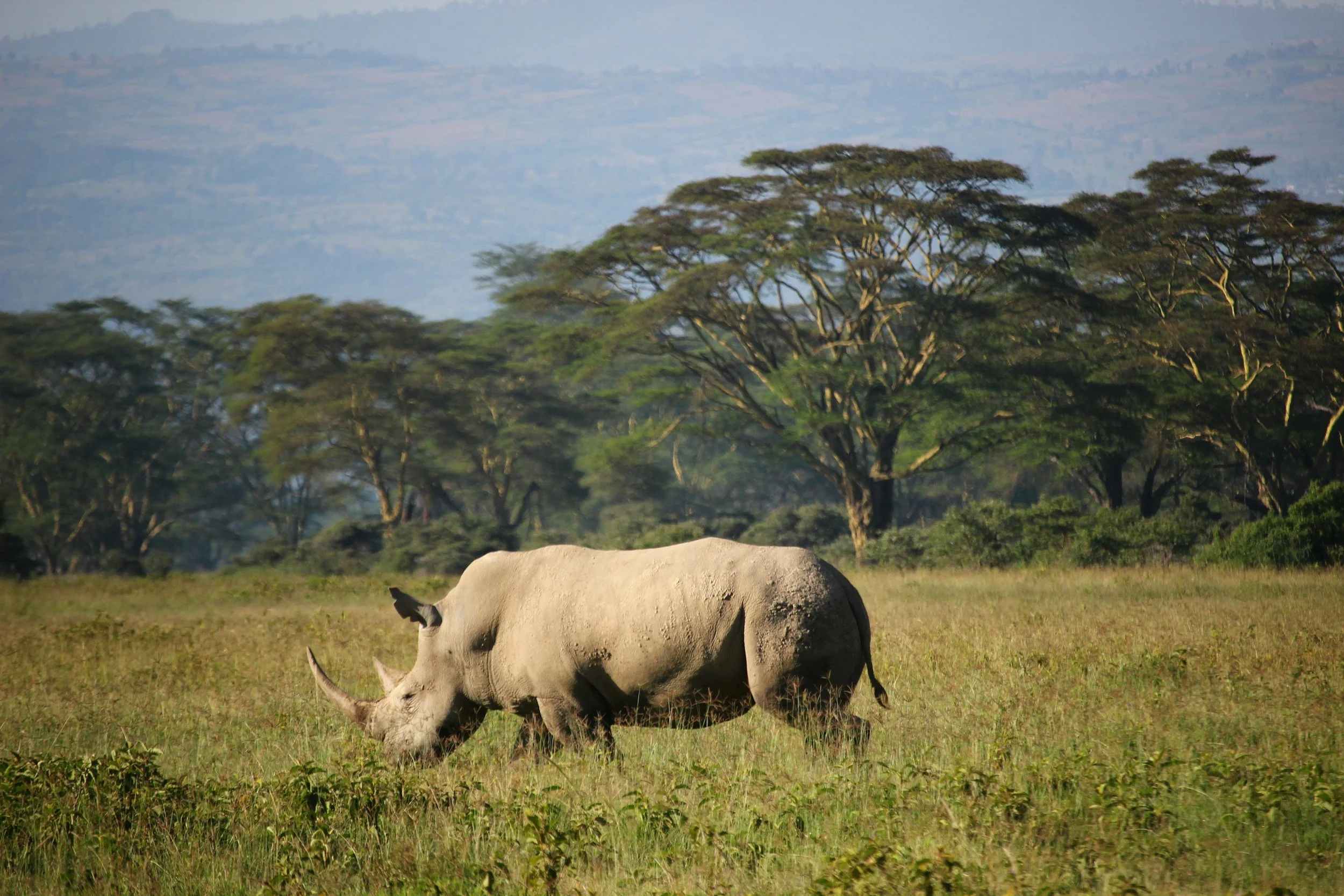
Lake Nakuru National Park: One of Kenya's best parks for spotting white rhinos, due to the park's protections. Bonus: a good shot at seeing others in that elusive "BIG 5" and Lake Nakuru turns "pink". (Entry ~$30–60 pp)
Lunch: Picnic by the lake or buffet at a lodge (~$15–20).
Afternoon Safari: Don't miss the Baboon Cliff Lookout for fantastic views over the Lake & Flamingos!
Evening: Return to Nairobi or overnight at Sarova Lion Hill Game Lodge if you want a slower pace.
Day 3 – Nairobi National Park, Culture & A Carnivorous Finale
🦁 Morning – Safari with a City Skyline
Nairobi National Park: Game drive with views of rhinos, lions, and giraffes set against skyscrapers, a legendary view. (Entry ~$40 pp; vehicle ~$150–250)
🍛 Lunch: Authentic Kenyan Mama Oliech: Famous for fried tilapia with ugali and sukuma wiki (~$10–15) or Nyama Mama: Fun, modern take on Kenyan comfort food.
🎭 Afternoon – Culture or Kibera. Bomas of Kenya: Traditional dance, music, and homestead replicas (~$15–20). Nairobi National Museum – discover Kenyan history, fossils, and art. Optional Kibera Tour: Socially responsible, guided tour of Nairobi's largest informal settlement.
Kibera Slum Tour with Lucas GetYourGuide (~$35 pp, supports local schools).
⚖️ Kibera: Understanding the Heart of Nairobi's Informal Settlement
Kibera sits just 6.6 km southwest of Nairobi's CBD. It began in 1904, when Nubian soldiers from the King's African Rifles were granted land there by British colonial authorities. Over decades, migrants from various Kenyan ethnic groups settled, expanding it into a sprawling informal settlement
Although the 2009 census recorded about 170,000 residents, most estimates today range between 250,000 and over 1 million, depending on boundaries used.•
Kibera is densely packed: small shacks (often ~12 × 12 ft) house up to 8 people, with many sharing just one latrine per 50+ households.
Around 80% of homes lack electricity; water is scarce and often contaminated, and open sewage and waste are serious health hazards
Most residents earn under $2 per day, with poverty, unemployment, and health conditions like cholera, HIV/AIDS, and respiratory infections widespread
Land tenure is insecure: the government owns the land, only about 10% of residents are actual shack owners many residents live under informal tenancy agreements
🌍 Why Kibera Matters
As Africa’s largest informal settlement and one of the biggest in the world, Kibera symbolizes the challenges of rapid urbanization and exclusion—yet also resilience and innovation
Homegrown initiatives from local NGOs and community groups—like the Map Kibera project, SHOFCO (Shining Hope for Communities), the Community Cooker, and the Vision Bearerz urban farms address sanitation, education, public health, and socioeconomic empowerment from within the community.
These are not just initiatives—they are beacons of community-driven development, often outperforming top down solutions and amplifying Kibera’s residents as architects of their own future Nyongesa Sande
🥩 The Carnivore Restaurant Experience Nairobi’s Grand Finale
No Nairobi trip is complete without this iconic feast.
Servers parade skewers of exotic meats—ostrich, crocodile, camel, lamb, chicken—carved tableside until you surrender by lowering a tiny white flag. Sides include salads, sauces, and the famous chili-spiked “Bull Shot” soup. Cost: ~$40–60 pp (excluding drinks).
Warning: Not vegetarian-friendly, and definitely not endorsed by PETA.
Raise a Tusker beer and toast to a wild 3 days in Nairobi!
🐘 Final Boarding Call
Safari City with Swagger. Nairobi isn’t just a layover it’s a wild, chaotic, beautifully messy introduction to East Africa. One minute you’re sipping cocktails with giraffes, the next you're dodging potholes en route to spot white rhinos. Yes, it’s gritty. Yes, you’ll get hustled. And yes, you should still absolutely go.